

You want to eat clean. You want to buy organic, always. But real life doesn’t always cooperate. — sometimes the organic strawberries are sold out. Sometimes you’re staring down a gas station snack aisle with zero glowing options. When 100% organic isn’t in the cards (unless, of course, you are at The GEM), you need to know exactly what to prioritize the second it is. (We’ve written about navigating real life while staying #HonestlyOrganic before, because we get it.)
Shine brighter. Shop organic. Order The GEM now!
That’s where the Environmental Working Group’s Dirty Dozen and Clean Fifteen come in. Each year, EWG analyzes pesticide residue data from thousands of produce samples and turns it into two simple shopping lists.
Think of them as your produce-aisle cheat sheet: Where organic matters most — and where you can relax a little.
Meet the 2026 Dirty Dozen (Buy These Organic, No Excuses)
Spinach takes the number-one spot, with more pesticide residue by weight than any other produce tested. It’s followed by kale, collard and mustard greens, then strawberries — still holding strong near the top of the charts.
One surprise this year, potatoes, one of America’s most-eaten veggies, ranked number 11. Rule of thumb: If it’s leafy, or it’s got soft thin skin, treat organic like a non-negotiable.
The Full List of The Most Pesticide Heavy Fruits & Vegetables
- Spinach
- Kale/collard/mustard greens
- Strawberries
- Grapes
- Nectarines
- Peaches
- Cherries
- Apples
- Blackberries
- Pears
- Potatoes
- Blueberries
What About the 2026 Clean Fifteen
At the GEM we’re always Honestly Organic. But we know sometimes you have to make compromises. You can choose conventional fruits and vegetables when you need to. No surprise that produce with thick skin that you have to peel are on this list — like pineapples or avocados — but so are cauliflower and cabbage.
The Most Pesticide-Free Produce
- Pineapple
- Sweet corn
- Avocados
- Papaya
- Onions
- Frozen sweet peas
- Asparagus
- Cabbage
- Cauliflower
- Watermelon
- Mangoes
- Bananas
- Carrots
- Mushrooms
- Kiwi
- (Quick disclaimer straight from EWG: sweet corn, papaya and summer squash sometimes come from GMO seed in the U.S., so grab organic there too if that matters to you.)
Okay, But WHY Does Avoiding Pesticides Even Matter?
Pesticides aren’t just chilling harmlessly on the surface of your produce. Research links pesticide exposure to hormone (endocrine) disruption, neurological effects and increased cancer risk (more from EWG, and kids are especially vulnerable because their bodies are still developing. A Harvard-led study following over 160,000 people for decades found that eating high-pesticide-residue produce was linked to a higher risk of cardiovascular death compared to low-pesticide-residue produce. And a 2025 peer-reviewed study found that switching to organic for even a short window measurably lowered pesticide levels in people’s bodies. This isn’t just a trend, it’s backed by actual science.
Top 3 Offenders, Solved: GEM Products That’ve Got You Covered
Good news — you don’t have to choose between convenience and consciousness, we already built the trifecta into the menu:
- Spinach: Our Emerald City smoothie (celery, cucumber, spinach, basil, ginger, apple, lemon) or the 24 Karat Magic juice — both organic spinach, zero guesswork.
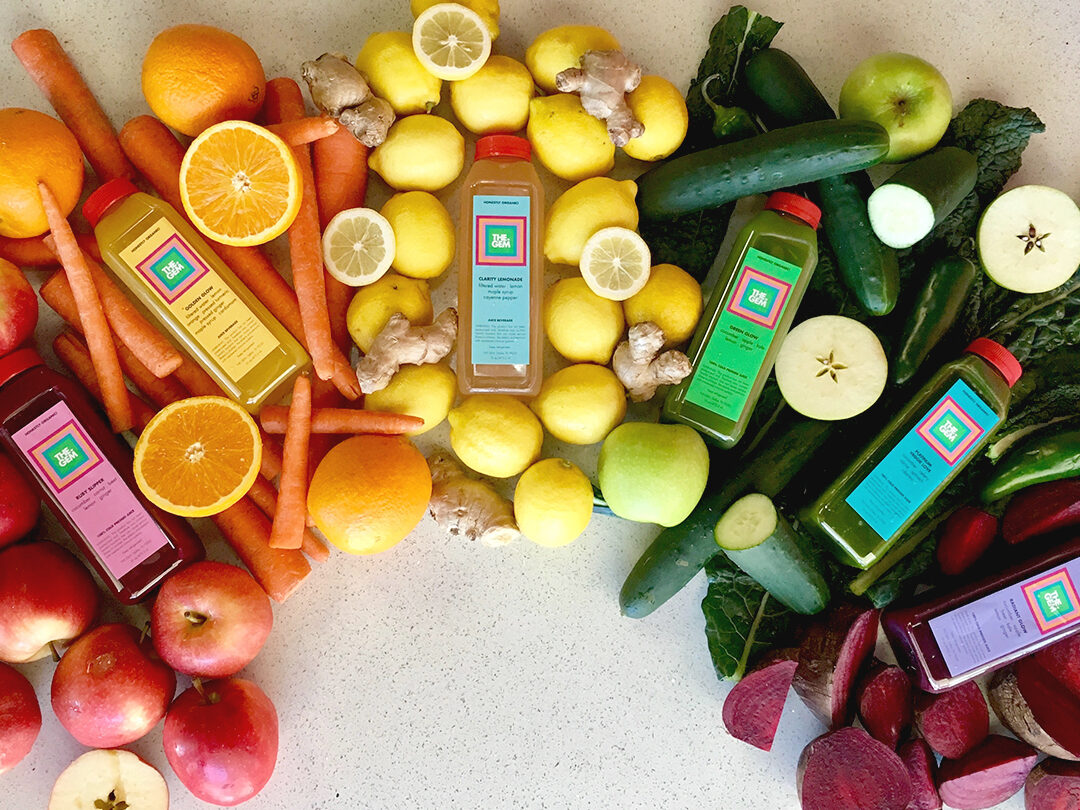
- Kale, Collard & Mustard Greens: Green Glow juice is basically kale’s greatest-hits album. Or go full super-green with Disco (collard greens, dandelion greens, spinach, bok choy + more) — a party for your cells.
- Strawberries: Sip the Strawberry Kiss Cooler, Strawberry Matcha Latte or Strawberry Cashew Milk all organic top to bottom.
Want the overachiever move? Order a Cameo smoothie — spinach, kale AND strawberry in one cup. All three Dirty Dozen headliners, handled.
Shine Brighter, One Choice at a Time
Screenshot this. Tape it to the fridge. Whatever gets it in front of your eyeballs at the store! And everything inside The GEM? Always Honestly Organic, always dancing to that disco beat of clean, green goodness.